

Could Britain be heading back to backstreet abortions?
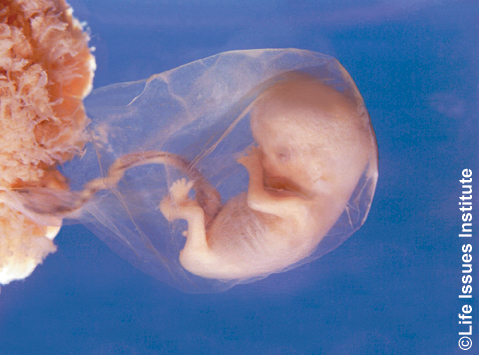
Members of the House of Lords returned to Committee stage, consideration of the Crime and Policing Bill, with particular focus on Clause 191. The provision would decriminalise abortion for women in relation to terminating their own pregnancies.
This clause was added by the House of Commons last year with a large majority, but without a full consultation or dedicated committee review, prompting serious concern among pro-life peers and observers.
Lords such as Lord Alton of Liverpool spoke forcefully against extending abortion law, warning that the clause would represent a radical shift in public policy and parliamentary procedure.
This proposed change is effectively undoing critical legal protections for unborn children. By removing criminal liability for women who self-administer abortions, the law would incentivise unregulated “DIY” procedures outside proper medical oversight, a return, they say, to be unsafe conditions that existed before the Abortion Act 1967.
Jeremiah 1:5 Before I formed thee in the belly I knew thee; and before thou camest forth out of the womb I sanctified thee
“Parliament accepts a crime may have been committed”
Baroness Coffey, speaking in support of Amendment 461A told the House of Lords that abortion law in England and Wales still contains legal restrictions, but that in practice those safeguards are being steadily eroded, describing the latest figures as deeply saddening.
“I completely understand why people have very different views on whether this is right or wrong or similar, or whether this is a healthcare treatment, but we have a law in place that puts restrictions on when abortions can happen. It might perhaps feel that those restrictions are really just lip service.
“I appreciate that there will be people in this Committee who do not care what the number is, it is a woman’s right to choose. I do not agree with, or even respect, that point of view, but I understand it.
“As has already been eloquently pointed out, we are now in a situation where Parliament still agrees that a crime may have been committed, but that, through Clause 191, the person carrying the foetus cannot be held responsible in any way. Therefore, the point of my amendment is to suggest that, instead of relying on good faith from the providers, we move to beyond reasonable doubt.”
Psalm 139:13–14 For thou hast possessed my reins: thou hast covered me in my mother’s womb. I will praise thee; for I am fearfully and wonderfully made.
“Good laws require careful thought”
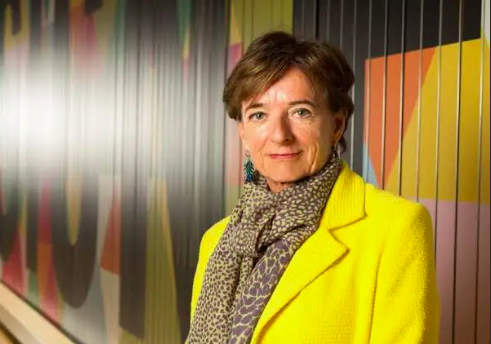
Baroness Monckton of Dallington Forest has called for amendments to the Crime and Policing Bill that would allow women to terminate their pregnancies at any stage and for any reason.
The Tory peer warned that, left unchanged, the Bill could lead to more women attempting to end their pregnancies beyond the current 24-week limit for terminations.
Lady Monckton is attempting to reverse the change by removing the “radical” Clause 191 from the Bill in the House of Lords.
She said: “Our role as parliamentarians, especially in this House, is to ensure that laws that make it on to the statute book are safe. Good laws require careful thought and prior consideration regarding any unintended consequences. Clause 191 fails to meet these criteria and should not become law. It was hastily added to an unrelated Bill and concerns a proposal that was neither a government manifesto commitment, nor called for by the public, nor subject to even rudimentary scrutiny.
“Let me be clear: the law change proposed by Clause 191 does not relate primarily to one’s views on abortion, on which there will be a range of perspectives in this House. The abortion debate is often presented as pitting the rights of a woman against the rights of an unborn child at varying stages of development.
“Laws exist for a variety of reasons. Sometimes, they exist to deter us from doing things that would cause significant harm to ourselves or others, out of motives that may be devious or simply desperate.”
Proverbs 6:16–17 These six things doth the Lord hate: yea, seven are an abomination unto him: A proud look, a lying tongue, and hands that shed innocent blood.
“Britain has got a problem”

Recently, commenting on the latest abortion statistics, Conservative, pro-life commentator and former MP Miriam Cates wrote in The Telegraph that: “Around one in three pregnancies now ends in abortion. This is a moral and economic tragedy. We have become accustomed to record-breaking statistical releases, whether on inflation, energy prices or summer temperatures. But this revelation is not just another official data dump; behind the numbers are 300,000 more lives that will never be lived.”
Ms Cates added that “record abortion numbers are not only an economic concern; they are a social and moral issue too. This is a terrible indictment of our society. The UK is an outlier when it comes to regulation; we allow abortion on demand until 24 weeks gestation, where the European average is just 12 weeks.”
In Parliament last year, Ms Cates also warned that moves toward abortion decriminalisation are “extreme” and contrary to a balanced and humane understanding of both life and law, arguing that such proposals would further erode legal protections for unborn children.
Jeremiah 1:5 Before I formed thee in the belly I knew thee; and before thou camest forth out of the womb I sanctified thee, and I ordained thee a prophet unto the nations.
Support NCCSS / Christian Voice →
Abortion stats
Abortion figures in England and Wales have hit record levels. Recent statistics show that there were 277,970 abortions in 2023, an 11% increase on the year before, the highest since the Abortion Act was introduced and independent estimates suggest numbers may exceed 300,000 annually across the UK.
These trends are evidence of a deepening culture of abortion, not simply a problem of law but of societal priorities.
Church leaders and Christian organisations have not been silent. Following last year’s Commons vote to decriminalise aspects of abortion law, the Bishop of London emphasised the need for compassion and care for women in crisis, while also warning that removing legal protections could “undermine the value of unborn life” and leave vulnerable women at greater risk.
We urge Parliament to pursue holistic support, including better counselling, financial assistance, and community care for women and families, rather than legislation that normalises termination. These perspectives stress both moral imperatives and pastoral responsibilities.
‘Why abortion is on the rise’
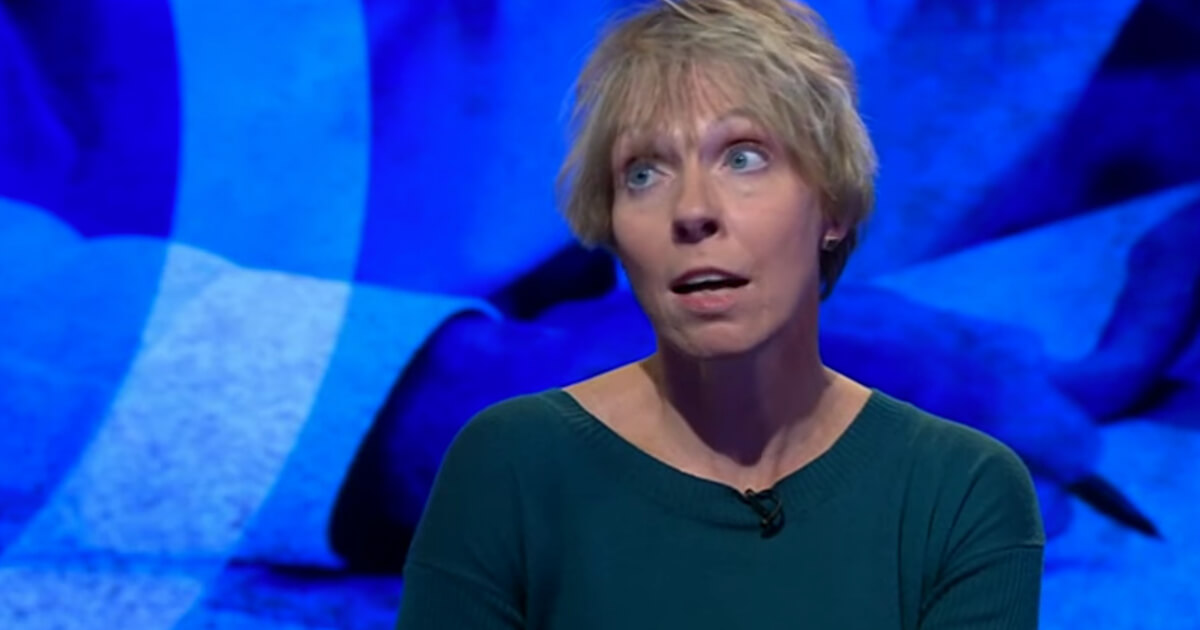
Ann Furedi, former journalist and abortion rights activist wrote on Spiked Online in relation to the increase of abortion cases: “This kind of uptick in abortion numbers suggests something specific has changed. This has only happened once before in the mid-1990s when a panic about the safety of the most popular contraceptive pills triggered tens of thousands of women to stop taking them.
“Some have attempted to blame the rise on financial insecurity, housing problems and the closure of family-planning clinics. But such explanations don’t cut it. Thirty years working in abortion services taught me that there is no direct correlation between the state of the economy or housing provision and abortion numbers.”
She also wrote that the key driver of abortion is, “likely to have been the government’s decision to allow abortion pills to be sent by post during the Covid lockdown – a temporary allowance that the government later made permanent. Adding that the ability to take a pill at home rather than have to attend an in-person clinic appointment further transformed the perception and experience of abortion.
“Many women found that abortion suddenly became far more acceptable than it had been previously.”
The collision of medical, legal and ethical claims
Pro-abortion organisations and medical bodies have strongly supported decriminalisation, framing it as a matter of healthcare and rights, not criminal law, citing concerns about women being investigated or prosecuted under outdated statutes. However, contest this framing, arguing that law reflects a society’s moral commitments, not merely administrative convenience.
They warn that redefining abortion law without robust ethical debate and safeguards risks treating unborn children as legal non-entities rather than human beings with inherent worth.
A cultural moment of choice and consequence
This week’s Lords debate was more than parliamentary procedure; it was a cultural watershed. We at Christian Voice stress that the abortion debate in the UK is not confined to law but speaks to how society perceives human life, responsibility, and community obligations.
As the Crime and Policing Bill progresses to Report stage, pro-life voices within Parliament and the wider Christian community are urging careful scrutiny of any proposal that could weaken legal protection for the unborn, shift societal norms towards a termination-centric paradigm and most importantly arm people with the rights to take lives that they can not create.
Exodus 20:13 Thou shalt not kill.
This moment calls for prayerful engagement, informed public discourse, and policy that respects both mothers and their unborn children. The coming weeks will reveal whether the Lords uphold the deeper moral tradition that champions life at all stages.
Related Stories
MPS vote to decriminalise abortion →
Health Secretary to back legalisation of abortion →
Pro-Life Witness to Abortion Conference →
Abortionists plotting decriminalisation →
More Abortion Buffer Zone Video →
Read and pray
READ: Deut 27:25; Psalm 106:37-38; Prov 14:23; Isa 10:1–2, Isa 28:9; Jer 7:28b; Ezek 18:20; Luke 1:44; Col 3:12.
PRAY: For the repeal of woke laws.
Prayer for the Unborn and Vulnerable.
Let us know what YOU think in the comments below.
Support us!
We appreciate your support; it enables our research and helps us inform your prayers.
So click below to support Christian Voice and stand up for the King of kings

Or fill in the form below to keep in touch:
Click on the social media links below to share this post: