
In a rare and striking development, Members of the Scottish Parliament have rejected a proposal to legalise assisted suicide, halting what many regarded as a significant moral and legislative shift. In the final vote, the proposal was voted down by 69 votes to 57 with 1 abstention.
The measure, which sought to permit terminally ill adults to seek assistance in ending their lives, was defeated after sustained debate that exposed deep unease across party lines.
This decision stands out precisely because it runs against a broader cultural current in which such measures have steadily gained ground in other jurisdictions.
At a time when the language of “choice” and “dignity” increasingly dominates public discourse, the refusal of MSPs to endorse assisted suicide represents not merely a legislative outcome, but a moment of moral hesitation, a recognition that once the boundary is crossed, it may prove impossible to restore.
Read full report on Scotland vote.
Exodus 20:13 Thou shalt not kill.
Ask us to come and speak at your church →
Who Is Protected?
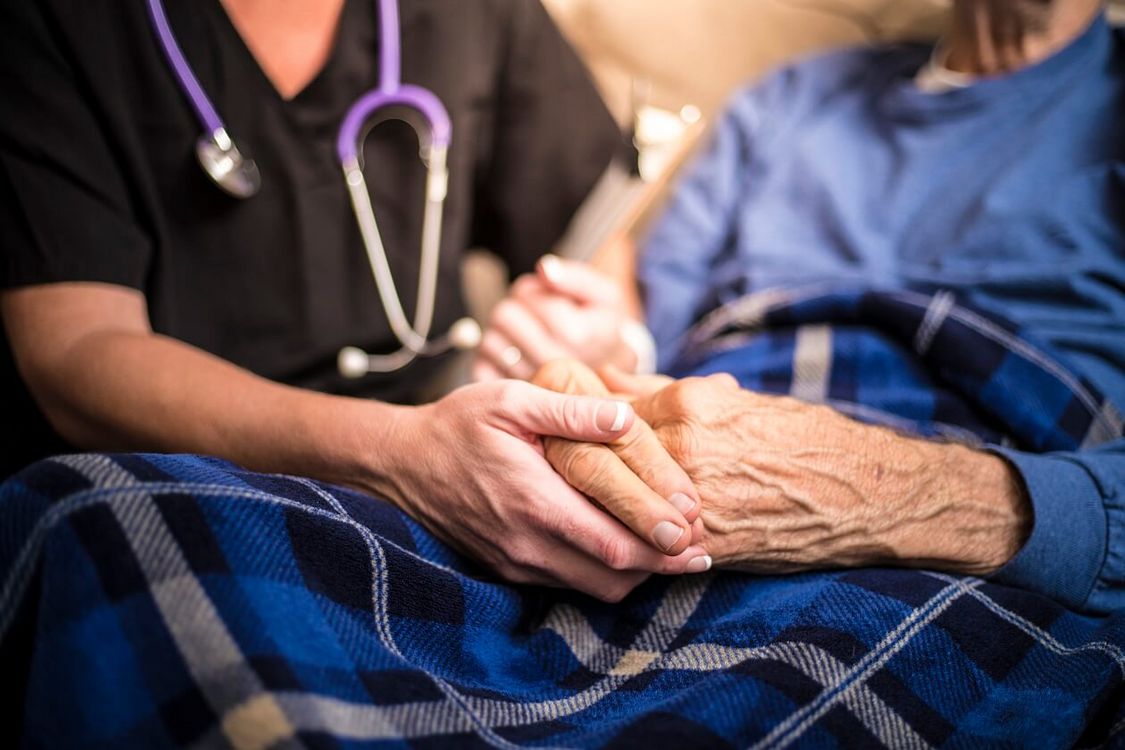
Central to the debate were concerns that legalising assisted suicide would not remain confined to tightly controlled circumstances, but would instead create subtle and often unspoken pressures upon the most vulnerable.
The elderly, the disabled, and those suffering from loneliness or depression may come to feel that their continued existence imposes a burden on families or society, particularly in a culture already strained by economic pressures and stretched healthcare systems.
What begins as a “choice” can, over time, become an expectation. Experience in other countries has shown that eligibility criteria tend to expand, safeguards are gradually relaxed, and the moral clarity that once protected life becomes blurred.
The debate, therefore, is not simply about individual autonomy, but about the kind of society being shaped—one that affirms the inherent value of life, or one that begins to measure it according to utility, independence, or perceived worth.
Further reporting on safeguarding concerns
Proverbs 31:8 Open thy mouth for the dumb in the cause of all such as are appointed to destruction
How to Join or Support Christian Voice →
Westminster: A Slower but Significant Resistance
While Scotland has delivered a clear rejection, the issue remains under active consideration in Westminster, where peers in the House of Lords continue to scrutinise the Terminally Ill Adults (End of Life) Bill.
This sustained examination has slowed the Bill’s progress, with members raising detailed concerns about coercion, the adequacy of safeguards, and the long-term ethical consequences of altering the law in such a fundamental area.
The role of the Lords in this context has been particularly significant. Less subject to immediate political pressure, peers have been able to probe the assumptions underlying the legislation, asking not only whether it can be implemented safely, but whether it should be implemented at all. Their resistance, though quieter than parliamentary votes, represents an important check on rapid legal change, and suggests that, even within governing institutions, there remains a recognition of the gravity of redefining the boundaries of life and death.
Read the Background on the Bill Here.
Proverbs 22:28 Remove not the ancient landmark, which thy fathers have set.
Return to the UK’s Christian Constitution →
Another Front Opens: The Abortion Debate

Even as assisted suicide faces resistance, another deeply contentious issue is advancing through Parliament.
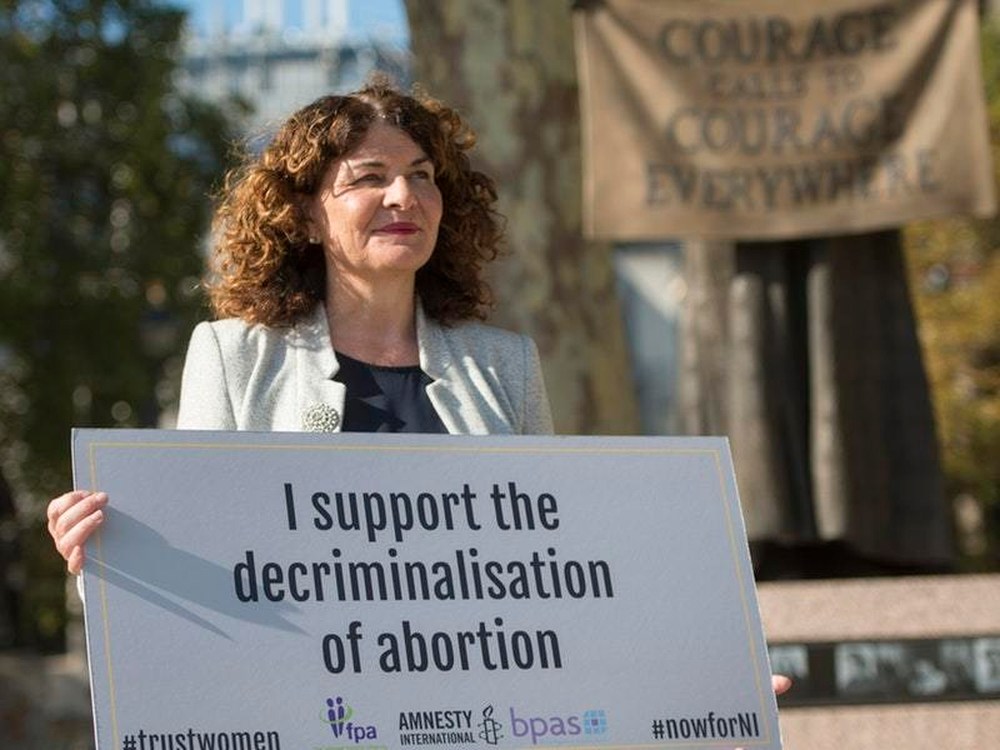
Peers are preparing to vote on abortion-related amendments within the Crime and Policing Bill, a development that has drawn concern from across the spectrum due to its potential implications for the legal limits surrounding abortion.
Taken together, these developments point to something deeper than a series of isolated legislative debates. They reveal a nation increasingly uncertain of its moral foundations, where questions once settled are now reopened, and where the value of human life is being weighed, debated, and, in some cases, quietly diminished. From assisted suicide to abortion, the direction of travel suggests not merely legal change, but a gradual reshaping of conscience itself.
The rejection of assisted suicide in Scotland and the resistance in the House of Lords may be welcomed as moments of restraint, yet they also highlight how far the conversation has already shifted. That such measures are seriously considered and repeatedly brought forward, indicates that the underlying assumptions about life, dignity, and suffering are being redefined. What was once unthinkable is now debated; what was once defended as absolute is now treated as conditional.
Isaiah 10:1 Woe unto them that decree unrighteous decrees.
A Nation at the Crossroads
At the heart of this lies a deeper cultural transformation. A society that loses sight of the inherent value of life will inevitably begin to draw distinctions between lives deemed worth preserving and those quietly regarded as expendable. The vulnerable, the elderly, the unborn, the sick, are always the first to be affected when such lines are redrawn. History has shown that once these moral boundaries are weakened, they are rarely restored without cost.
Yet these moments of resistance also serve as a warning and an opportunity. They expose the consequences of moral drift, but they also remind the nation that another path remains open. Whether Britain continues down a trajectory of gradual erosion, or rediscovers the principles that once underpinned its laws and institutions, will depend not only on Parliament, but on the convictions of its people.
Previous Articles
Assisted Suicide Bill introduced in Scotland →
Abortionists plotting decriminalisation →
Confronting LGBT spiritual strongholds in Scotland →
Government putting assisted dying ahead of social care →
Read and pray
READ: 2Chr 34:21b; Job 1:2; Psa 26:9-10; Prov 3:6, 31:8; Eccl 3:2, 8:8; Isa 1:15; Luke 18:20; John 10:17-18; Rom 13:4; Rev 21:4.
PRAY: Pray that God would uphold the sanctity of life in law and in practice, restraining efforts to normalise the ending of life, and strengthening those who stand to defend the vulnerable.
Pray for MPs, MSPs, and peers to have conviction and moral clarity, that they would resist pressure, act with integrity, and uphold righteous principles even when unpopular.
Pray that the nation would turn back to God, rejecting moral compromise, and that truth, justice, and reverence for life would once again shape its laws and culture.
Let us know what YOU think in the comments below.
Support us!
We appreciate your support; it enables our research and helps us inform your prayers.
So click below to support Christian Voice and stand up for the King of kings
Or fill in the form below to keep in touch:
Click on the social media links below to share this post:
Read and pray
READ: Isaiah 1:23; Micah 6:8; Matt 23:23; Eph 5:11; Mark 12:30-31; John 14:15; Col 3:2.
PRAY: Pray for the UK. Pray for our leaders to lead in wisdom and the fear of God.
Let us know what YOU think in the comments below.
Support us!
We appreciate your support; it enables our research and helps us inform your prayers.
So click below to support Christian Voice and stand up for the King of kings
Or fill in the form below to keep in touch:
Click on the social media links below to share this post: