
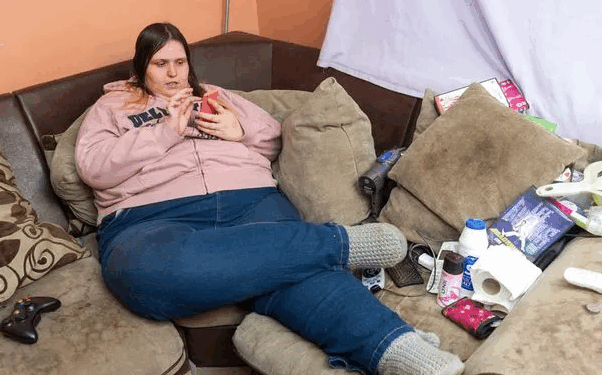
A growing number of young Britons have remained dependent on benefits since the Covid-19 pandemic, with many struggling to gain a foothold in employment. Analysis of according to the Department for Work and Pensions figures shows that people who turned 18 during the pandemic years are significantly more likely to still be claiming Universal Credit several years later compared to previous generations.
Data indicates that more than 34,000 people now aged 24 have continuously relied on Universal Credit since the age of 18, representing almost one in 20 of those who reached adulthood in 2020. The figure has more than doubled compared with statistics from two years earlier.
Universal Credit supports people who are unemployed, on low incomes, or outside education and training. Experts say the rise reflects the long-term impact of the pandemic, which disrupted early career opportunities for many young adults.
During lock-downs, workplaces shut down, staff were furloughed, and many businesses moved to remote working, limiting younger people’s access to employment experience, workplace mentoring, and career development at a critical stage of life.
2 Thessalonians 3:10 For even when we were with you, this we commanded you, that if any would not work, neither should he eat.
“Too Weak to Rein in Welfare Spending”

The Conservatives have accused this government of “killing jobs” for young people and creating a generation dependent on benefits for life.
According to Daily Telegraph, Helen Whately, the shadow work and pensions secretary, said: “The Government talks about tackling NEETs, but their taxes and red tape are killing jobs for young people. Keir Starmer is too weak to rein in welfare spending. Meanwhile, Rachel Reeves’s economic illiteracy is destroying opportunities for young people.
“Labour is content to park a generation on benefits. Teenagers are drifting out of school and straight onto benefits. Instead of starting a job, they’re signing on. For too many, benefits are becoming a way of life.
“Being out of work when you’re young isn’t just about money – it destroys confidence, delays independence and kills ambition. This is how a jobless generation begins.”
Sir Iain Duncan Smith, the former Conservative leader and former work and pensions secretary, said school closures during Covid had “severely damaged” young people’s prospects.
“The shutting of the schools was a disaster. A lot of the kids, especially the poorer kids, didn’t come back,” he said.
Sir Iain said a lack of economic growth had also reduced opportunities for first-time workers. “The economy itself has been put into a stranglehold … it’s not growing so a lot of those first-time jobs aren’t there.Any part-time work has become too expensive, cutting out the stepping stone to employment.”
Britain’s Loneliness Crisis ‘Off the Scale’
Britain’s loneliness crisis is reaching alarming levels, despite the country becoming the first in the world to appoint a minister for loneliness almost a decade ago. Research from the Centre for Social Justice shows young people are now among the loneliest in society, with 70 per cent of 18-to-24-year-olds reporting feelings of loneliness, compared with 32 per cent of those over 75.
Experts say this is no longer simply about being alone, but about a deeper sense of emotional and social disconnection. The Centre for Social Justice found that almost a third of young Britons experience what it describes as “existential loneliness”, a feeling of separateness from other people and society itself. Government data from the Community Life Survey also found people aged 16 to 24 reported the highest levels of indirect loneliness in the country.
Ecclesiastes 4:9-10 Two are better than one… If either of them falls down, one can help the other up.
The Collapse of Community and ‘Third Spaces’

Psychologists and community leaders have linked rising loneliness to the disappearance of what are often called “third spaces”, places outside the home and workplace where people naturally build relationships. These include churches, youth groups, community centres, social clubs, and amateur sports leagues.
Clinical psychologist Meg Jay said loneliness has worsened as screen time increasingly replaces face-to-face interaction. She noted that young men in particular are experiencing growing isolation, with online life replacing physical community and real social engagement.
At the same time, many local institutions that once held communities together have declined due to austerity measures, rising running costs, and changing social habits. Churches that once served as centres of fellowship and support have seen falling attendance, while many social clubs and local groups have closed altogether.
Hebrews 10:24-25 Let us consider how we may spur one another on toward love and good deeds, not giving up meeting together.
Return to the UK’s Christian Constitution →
Welfare Dependency, Work Culture in Decline
Britain’s growing “sicknote culture” and rising levels of long-term economic inactivity have become a major concern for policymakers, businesses, and economists. According to the Office for National Statistics , the number of people economically inactive because of long-term sickness rose to more than 2.5 million after the COVID-19 pandemic. The UK Government has linked this rise to factors including NHS waiting lists, long COVID, worsening mental health, and broader health inequalities.
Business groups have warned about the wider economic impact. The British Chambers of Commerce described long-term sickness as “blighting” the UK economy, stating that almost 7 per cent of the workforce is now out of work due to long-term illness — significantly higher than in countries such as Japan.
The issue has also triggered political debate over Britain’s so-called “sicknote culture”. Government reviews have raised concerns that the current fit-note system may be too quick to sign people off work entirely rather than supporting phased or flexible returns to employment.
2 Thessalonians 3:10 The one who is unwilling to work shall not eat.
Ask us to come and speak at your church →
Other Warnings
Concerns about loneliness and social breakdown have appeared repeatedly in recent years. During and after the COVID-19 lockdowns, charities and mental health organisations warned of lasting emotional damage caused by prolonged isolation, especially among young people and the elderly.
The Age UK has repeatedly highlighted the growing number of elderly people living in silence and isolation, while reports from the Office for National Statistics have shown increasing levels of loneliness among younger generations despite constant digital connectivity.
Church leaders and community organisations have also warned that Britain is losing many of the institutions that once brought people together. Falling church attendance, the decline of community groups, and growing dependence on online interaction have all been cited as contributing factors behind weakening social bonds and rising emotional isolation.
Repentance and Restoration
Britain’s loneliness crisis cannot be solved by government programmes alone. Behind the statistics lies a deeper moral and spiritual problem: the breakdown of family life. Many churches, community halls, and faith centres that once provided support, belonging, and human connection are struggling to survive under rising financial pressures, including energy bills, maintenance costs, and taxation burdens.
Across the country, churches have warned that increasing operating costs are forcing some places of worship to reduce activities or close entirely. According to the National Churches Trust, thousands of church buildings face financial uncertainty due to soaring costs and declining resources. These closures matter because churches are not only places of worship—they are centres of fellowship, pastoral care, youth activities, food banks, and social interaction.
At the same time, Britain’s cultural debates have become increasingly focused on gender identity and trans activism, while young people continue to suffer isolation and lack of purpose. The endless culture wars and identity confusion do little to address the deeper emotional and spiritual emptiness affecting many young Britons.
What Britain needs is not more policies, but moral restoration, stable families, strong communities, open churches, and godly leadership rooted in truth, compassion, and responsibility.
2 Chronicles 7:14 If my people, who are called by my name, will humble themselves and pray and seek my face and turn from their wicked ways, then I will hear from heaven, and I will forgive their sin and will heal their land.
Related Stories
Sir Keir Starmer taking control of people’s lives’? →
One in eight parents claim child has ‘a disability’ →
Social Media, the Weapon Fashioned Against Children →
How the SNP Spent £1m of Taxpayers’ Money on Paparazzi →
Read and pray
READ: Lev 19:35; Prov 29:2; Prov 16:12; Isa 1:23; Isa 10:1-2;Micah 6:8; Matt 20:26-28; James 3:1; 1 Peter 5:3..
PRAY: Pray for restoration in Britain’s families and communities.
Pray for godly wisdom for Britain’s leaders, that they would promote truth, responsibility, meaningful work, and policies that strengthen families, young people, and the moral foundations of society rather than deepen confusion and division.
Let us know what YOU think in the comments below.
Support us!
We appreciate your support; it enables our research and helps us inform your prayers.
So click below to support Christian Voice and stand up for the King of kings

Or fill in the form below to keep in touch:
Click on the social media links below to share this post: